

The Caregiver’s Cheat Sheet to:
When you Become a Caregiver Overnight
(The crash course nobody signed up for.)
The Caregiver’s Cheat Sheet to:
No one really plans to become a caregiver. Many people are thrown into it overnight — a diagnosis, a fall, or a hospital discharge with a stack of papers and a “good luck.”
If that’s you, take a breath. You don’t have to figure everything out today. This cheat sheet is just to help you get your bearings and focus on the first things that matter.
1. Start by Understanding What’s Going On
Before you can plan anything, you need a basic picture of the situation. You don’t need to become a medical expert. But knowing the basics helps you make better decisions. Learn the basics about:
The illness, condition, or diagnosis
Whether special care skills are needed to provide care (mobility support, wound care, medication management, language needs, etc.)
What changes it might cause over time
Important Note:
If this started with a hospital stay, ask these questions before leaving the hospital:
What symptoms should send us back to the ER?
Who do we call if something goes wrong?
What follow-up appointments are needed?
Do we need home health, physical therapy, or nursing visits?
What medications changed?
Write the answers down. Because once you get home… you will forget half of it.
2. Make Sure the Home Is Safe Right Now
When someone’s health changes, their environment might need to change too. A few small adjustments early can prevent a lot of problems later. Ask yourself (and the clinical team):
What Your Loved One Needs Right Now
Are there tripping hazards in the home?
Is cooking still safe?
Are medications organized correctly?
What Your Loved One Might Need in the Future
Should they still be driving?
Is wandering a risk?
Will stairs become an issue?
Do they need equipment? (walker, grab bars, hospital bed)
3. Figure Out What Help Is Needed Day-to-Day
Care needs usually fall into two categories.
ADLs (Activities of Daily Living)
These are the fundamentals of daily care.
Eating
Dressing and grooming
Bathing or showering
Getting in and out of bed or chairs
Toileting
Managing bladder or bowel function (yes… this becomes a normal topic of conversation)
IADLs (Instrumental Activities of Daily Living)
These are the logistics of everyday life.
Managing medications
Driving or transportation
Grocery shopping and meals
Managing finances
Housekeeping and home maintenance
Managing phone/email communication
Once you know the day-to-day needs, look at who can help. That might be family stepping in, hired care if it fits the budget, or a mix of both. Every situation looks different, and even a little backup can lighten the load.
4. Get All the Important Stuff in One Place
When caregiving begins, information gets scattered fast. Start your “care binder” (a binder, notebook, or digital folder) with:
Doctors and healthcare providers & contact info
Insurance information (health & long-term care if applicable)
Diagnoses and medical history
Pharmacy contact information
Medication list (names, doses, instructions)
You’ll reference this constantly, especially during appointments or emergencies.
5. Build Your Caregiving Support Team Early
One of the biggest traps caregivers fall into is trying to handle everything themselves. You don’t have to. Even if you’re the primary caregiver, you can still build a small care team around you.
Start by identifying a few people who can be part of the circle:
Siblings or close family
A trusted neighbor
A close friend
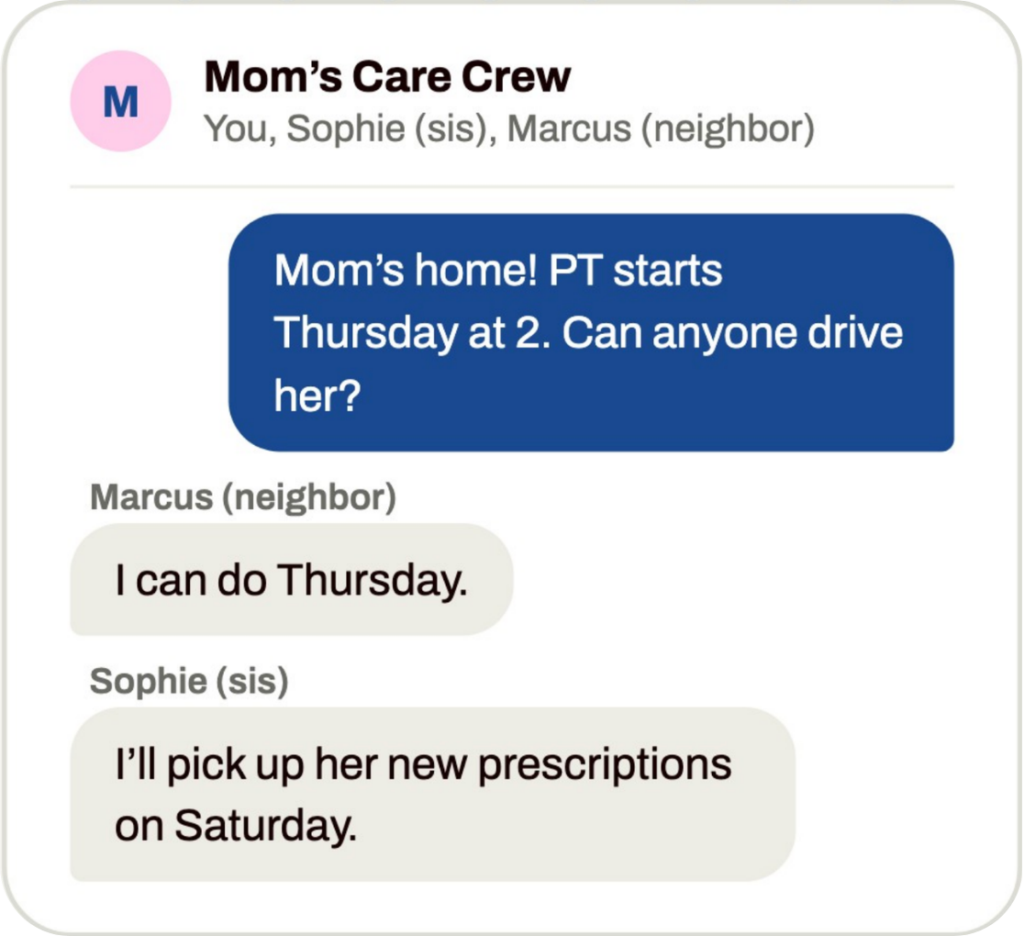
Then create a simple group text to share updates, coordinate help, ask quick questions, and flag when you need backup.
Things they can help with?
Picking up prescriptions
Dropping off groceries
Running errands
Driving to appointments
Bringing over a meal
Sitting with your loved one to give you a break
6. Handle the Essential Paperwork
Two documents you’ll want right away are:
HIPAA release: Allows doctors to speak with you about medical information
Healthcare proxy (aka medical power of attorney): Allows someone to make medical decisions if your loved one cannot
And when you’ve had a chance to catch your breath, add these documents to your to-do list: financial power of attorney, living will, DNR. Our Caregiver’s Cheat Sheet to Must-Have Paperwork breaks them all down.
7. Don’t Forget About You
Caregivers are notorious for putting themselves last.
Consider this your official permission to:
Take breaks when you can
Accept help from people who offer it
Protect your sleep, nutrition, and health
Let go of some non-essential commitments
Important Note: If your employer offers caregiver benefits or an Employee Assistance Program, it’s worth checking out. And keep doing at least one thing that brings you joy.
You don’t have to tackle it all at once.
Find this cheat sheet helpful and want to save it?