

The Caregiver’s Cheat Sheet to:
Protecting Your Parents From Scammers
(Because Dad’s “I know a scam when I see one” isn’t quite the reassurance it used to be.)
The Caregiver’s Cheat Sheet to:
It’s sort of a known fact: Scammers love older adults. They know they’re often sitting on a lifetime of savings. And scammers are getting really good. So good that adults over 60 lose billions of dollars every year to scams.
Here’s how to help your parents spot them.
1. Know the Red Flags
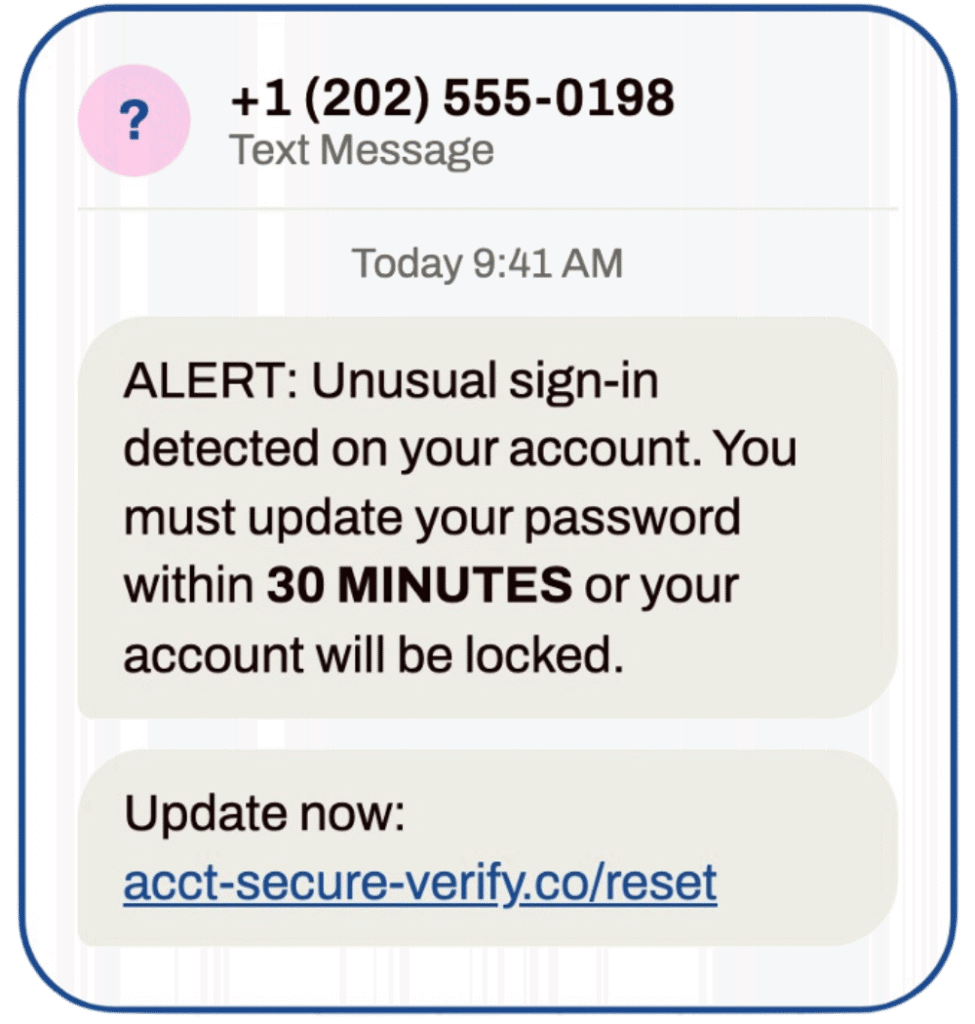
If someone asks your parent for any of these things, it’s almost always a scam:
Gift cards
Passwords or verification codes
Moving money to a “safe account”
Remote access to a computer
Keeping the conversation secret
2. Understand the Most Common Scams
Scammers tend to reuse the same scripts over and over. Here are a few you’ll see a lot right now:
The “Grandchild in Trouble” Call:
Someone claims to be a family member who urgently needs money. Sometimes they even use AI voice cloning.
Delivery or Toll Texts:
A text says a small payment is needed for a package or toll. The link leads to a fake website that steals credit card information.
Romance Scams:
Someone builds an online relationship for weeks or months before asking for money.
Fake Bank Fraud Alerts:
Someone pretending to be the bank asks for account information – or tells them to move money to a “safe account.” (Real banks will never ask you to do this.)
Tech Support Scams:
A pop-up says the computer has been hacked. Someone offers to “fix it”…for a fee.
3. Lower the Risk with a Few Simple Tech Fixes
A few small setup steps can dramatically reduce scam attempts. Consider helping your parents turn on:
Call screening or spam filter
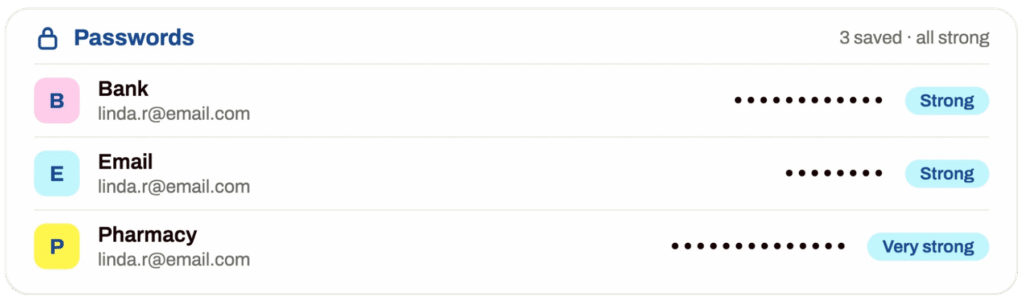
Password managers for safer logins
Bank alerts for large withdrawals
Credit freeze if identity theft is a concern
Fraud alerts on credit report
4. Have the Conversation with Your Parents
Yes, this conversation can feel a little awkward. No one likes to imagine they could be fooled. But a quick convo can prevent a huge headache later. A few tips before you start.
Remember the technology gap.
Many older adults didn’t grow up with phishing texts, spoofed numbers, or AI-generated voices.
Avoid embarrassment.
Shame makes people less likely to tell you something suspicious happened.
Be patient.
Repeating the advice is normal.
Then Walk Through the Basics:
If someone asks for gift cards, passwords, or verification codes it’s a scam.
Scammers love panic. You’ll hear things like:
“Your account is being closed.”
“Your grandson is in jail.”
“You must act immediately.”
Real institutions don’t require decisions in five minutes.
Instead, go directly to the company’s website or call the number on the back of their card.
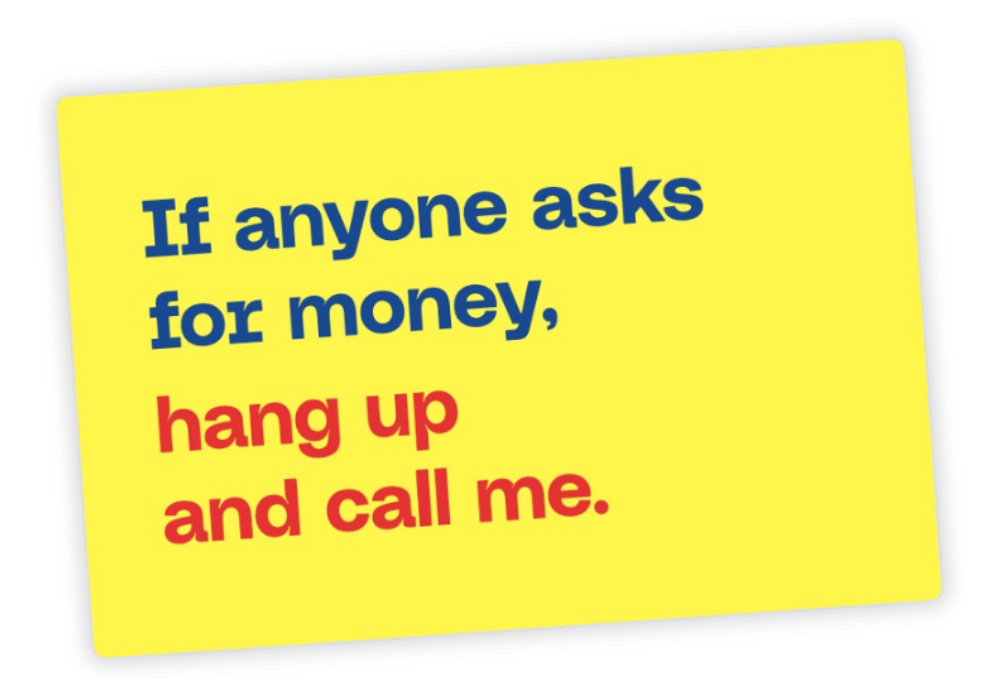
If anyone asks them to wire money, buy gift cards, or move money to a “safe account,” they should call you first.
5. It’s always okay to hang up.
Pro Tip: Don’t be surprised if you have this convo more than once. Scams evolve quickly, and habits like answering the phone are hard to break.
5. Create One Family Rule
Many families use one clear rule. Write it down and put it somewhere your parents will see it: next to the phone, on the fridge, near their computer.
Scammers rely on panic and urgency. That small reminder can interrupt the pressure and give your parents a moment to pause.
If Your Parent Is Ever Scammed
First: take a breath. It happens to incredibly smart people every day. Here’s what to do next:
Call the bank or credit card company immediately.
They may be able to reverse the transaction.
Place a fraud alert or credit freeze
with Experian, Equifax, and TransUnion.
Report the scam:
reportfraud.ftc.gov
Tell family members.
Scammers often try again once someone has paid.
Change passwords and secure accounts.
One Last Thing
If your parent falls for a scam, try not to react with anger. Scammers rely on embarrassment to keep victims quiet. The most helpful response is simple:
“That could happen to anyone. Let’s figure out the next step.”
Keeping the conversation open is what protects them going forward.
Find this cheat sheet helpful and want to save it?
Home Instead is a global provider of in-home care for older adults. With a franchise network and more than 100,000 Care Pros, Home Instead delivers over 60 million hours of personalized care annually